LOUISVILLE, KY · INDUSTRIAL FLOOR SYSTEMS
INDUSTRIAL GRADE
WAREHOUSE COATINGS
High-compressive polymer and polyaspartic systems built specifically for high-velocity logistics centers, forklift distribution aisles, and manufacturing hubs across the Louisville metropolitan market.
Certified Commercial Applicators · Forklift Rated Systems · Serving Greater Louisville Facilities
OPERATIONAL THREAT ANALYSIS // UNTREATED SLABS
BUILT FOR CONSTANT
TRAFFIC
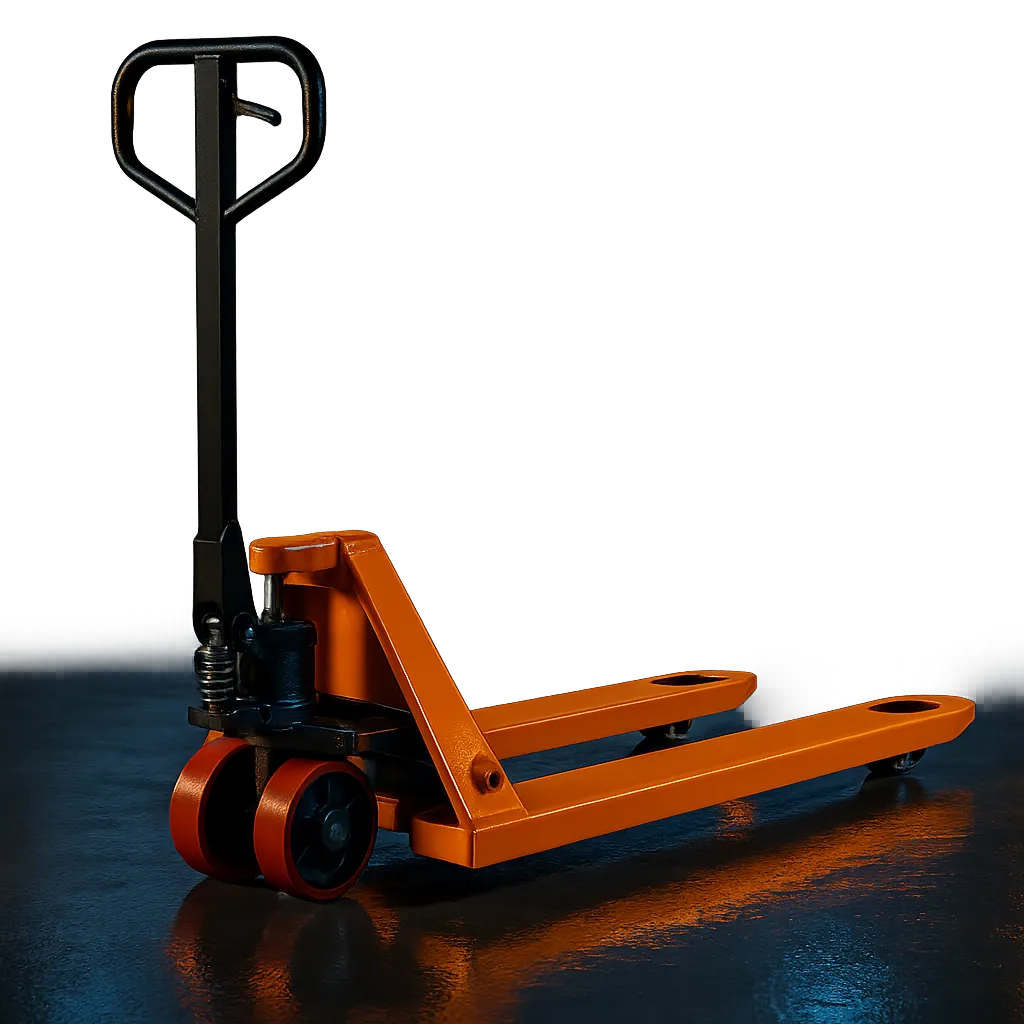
Bare concrete is naturally porous, brittle, and chemically unshielded. Under round-the-clock logistics operations, unsealed floor slabs degrade into costly facility liabilities that destroy tires, compromise air quality, and accelerate mechanical downtime.
PRIMARY IMPACT VECTORS ON LOGISTICS SUBSTRATES
HOW UNPROTECTED CONCRETE FAILS UNDER SEVERE LOGISTICS CYCLES
FORKLIFT SHEAR & SPALLING
Hard polyurethane and steel wheels concentrate thousands of PSI along turning radiuses. This pulverizes control joints, gouges wheel paths, and causes progressive slab edge spalling that jolts equipment frames and damages loaded pallets.
FLUID MIGRATION & SOFTENING
Hydraulic oil, battery acids, cleaning detergents, and glycol absorb deeply through raw concrete capillary pores. Trapped fluids chemically digest calcium hydroxide binders, softening the slab beneath and permanently disallowing adhesive bonding.
CONCRETE DUSTING & SILICA HAZARDS
Continuous mechanical abrasion shears off the brittle top laitance layer. This creates perpetual airborne concrete dust that clogs sensitive robotic packaging sensors, fouls inventory, and triggers recurring OSHA respiratory safety violations.
OPERATIONAL REALITY: FLOORING IS PRODUCTION INFRASTRUCTURE
Every day untreated concrete remains in service, sub-surface micro-fracturing accelerates. High-compressive polymer armor isolates your structural slab from direct impact, chemical degradation, and joint failure.
ENGINEERING SPECIFICATION // SUBSTRATE INTERLOCK
COATINGS VS
BASIC PAINT
Single-part retail floor paints form a superficial 2-to-3 mil latex film that clings only to loose surface dust. Under the shear stress of a turning 9,000-lb forklift, surface paint tears from the slab within weeks. Professional industrial systems utilize diamond grinding to open concrete pores, anchoring cross-linked thermoset polymers deep into the slab matrix to form an indestructible structural monolith.
- Mechanical Bond: Diamond-tooled CSP-3 profile vs zero surface penetration
- Dry Film Thickness: 25-35 build mils vs 2-3 mil brittle consumer wash
- Tire Delamination: 100% thermal shock and hot-tire pickup resistant
- Tensile Adhesion: >450 PSI concrete failure mode vs 85 PSI paint tear
ZONE-SPECIFIC INDUSTRIAL COATINGS
ENGINEERED FOR
EVERY ZONE
Different warehouse sectors face vastly divergent stress profiles. We tailor chemical composition, mil-thickness, and traction profiles precisely to match each operational quadrant.
ZONE 01 // HEAVY VEHICULAR
FORKLIFT AISLES
High-volume arterial transit zones requiring dense 100% solids epoxy builds to resist continuous hard wheel gouging and dynamic point weight.
- Rated for 12,000+ lb wheel loads
- Grit-reinforced tire burn resistance
- Clear safety boundary demarcations
ZONE 02 // PERIMETER IMPACT
LOADING AREAS
Exterior-facing staging zones exposed to extreme thermal swings, tracked rainwater, and jarring pallet-jack drops at dock bay transitions.
- Thermal shock & moisture vapor barrier
- Aggressive aluminum oxide traction aggregate
- Flexible polyaspartic crack-bridging
ZONE 03 // PRODUCTION & ASSEMBLY
WORK ZONES
High-density active workstations prioritized for technician safety, ergonomic foot cushioning, anti-slip stability, and incidental solvent resistance.
- ANSI-compliant wet/dry slip coefficients
- Chemical and lubricant spill barrier
- High-lux light reflective white/gray base
ZONE 04 // STATIC LOAD COMPRESSION
STORAGE & RACKING
High-bay storage footprint engineered to prevent concrete dusting under upright footplates and withstand sustained static loads without floor indentation.
- Zero concrete spalling or micro-dusting
- 13,500 PSI compressive mortar option
- Seamless expansion joint sealing
ZONE 05 // SANITATION & TRANSIT
EMPLOYEE AREAS
Breakrooms, locker stations, and pedestrian corridors built with seamless antimicrobial urethane systems that withstand heavy footfall and rigorous cleaning.
- Seamless cove base transitions
- Chemical and detergent spill immunity
- Rapid sanitization mop-down finish
ZONE 06 // CLIENT REPUTATION
CUSTOMER SHOWROOMS
Client-facing display corridors requiring high-gloss mirror clarity, decorative metallic or quartz flake textures, and non-yellowing UV stability.
- 100% UV-stable aliphatic polyaspartic topcoat
- Custom architectural flake blends available
- Ultra-high reflectivity reduces lighting costs
Free on-site ASTM surface hardness and moisture testing across all Louisville quadrants.
TURNKEY EXECUTION // OPERATIONAL CONTINUITY
MINIMIZED DOWNTIME
MAXIMUM YIELD
Zero-shutdown installation frameworks built around active 24/7 fulfillment centers. We sequence mechanical prep and high-build coatings so your primary shipping corridors stay live.
Calibrated in-situ RH probe telemetry verifies vapor pressure thresholds before surface contact.
HEPA-contained mechanical profiling to ICRI CSP 3-5 with zero ambient dust release.
Semi-rigid joint stabilization across control cuts to eliminate forklift wheel chatter.
Deep capillary locking matrix anchors directly into open micro-pores of concrete.
High-build resin system applied with uniform mil thickness across designated containment lines.
Pedestrian transit approved at 6 hours; full 12,000 lb forklift wheel rating certified at 24 hours.
OFF-HOURS SCHEDULING
Graveyard, third-shift, and weekend deployment guarantees zero conflict with high-velocity picking and shipping operations.
SECTIONAL PHASING
Modular containment bays isolate active dust and cure zones so adjacent bays, staging lanes, and docks remain fully functional.
RAPID CURE
Fast-setting multi-layer formulations achieve pedestrian return-to-service in 6 hours and heavy forklift rating in 24 hours.
TRAFFIC REROUTING
Clear safety demarcation and temporary bypass routing keep tow motors, pallet trucks, and personnel moving safely around worksites.
OPERATIONAL CONTINUITY GUARANTEE
Phased staging plans are finalized with your plant operations director 14 days prior to site mobilization. Zero uncoordinated lane closures.
SPECIFICATIONS & COMPLIANCE
TECHNICAL
QUESTIONS ANSWERED
Engineering data on mechanical preparation, chemical cure benchmarks, and ASTM traction coefficients. Review transparent operational parameters before initiating your facility walk-through.
What is the typical commercial cost per square foot for heavy industrial flooring?
Industrial installations typically range from $4.50 to $11.00 per square foot. Pricing is determined by concrete substrate integrity, required mechanical profile depth (CSP 2-4), joint expansion rebuilding, and specified topcoat chemical resistance tiers.
How quickly can heavy forklift and pallet jack traffic resume post-installation?
With rapid-cure polyaspartic and hybrid formulations, full pneumatic and hard-wheeled forklift operations resume within 24 hours of final topcoat curing. Light pedestrian staging is safe within 6 to 8 hours.
How do you achieve verified OSHA and ADA slip resistance compliance in wet conditions?
We broadcast graded aluminum oxide and spherical quartz aggregates into intermediate coats to achieve a wet dynamic coefficient of friction (DCOF) exceeding 0.60, fulfilling OSHA 1910.22 traction mandates without compromising cleanability.
Can installation proceed in phased sections to eliminate warehouse shutdown?
Yes. Most commercial projects are executed in isolated zones during off-shifts and weekends. Dust-sealed negative-air poly partitions keep adjacent pick aisles, racking bays, and loading docks operational throughout application.
What mechanical preparation standard is utilized to guarantee against delamination?
We never use acid etching. All slab surfaces undergo captive diamond grinding or blast-shot profiling equipped with HEPA filtration to produce an ICRI CSP 3 mechanical anchor profile for permanent chemical bonding.
RAPID ON-SITE EVALUATION • LOUISVILLE METRO
SECURE YOUR
FACILITY TODAY
Book an expert technical assessment of your slab integrity, traffic load corridors, and chemical exposure risks. Our industrial specialists deliver detailed phasing schedules to eliminate operational downtime.
Prefer immediate dispatch? Call: 502-586-4495 • Direct Commercial Engineering Line
Louisville's authority in industrial-grade polyaspartic and epoxy floor systems. Engineered for extreme chemical resistance, heavy vehicle loads, and rapid turnaround across Kentucky.
Kentucky Contractor ID: #KY-49208-EPX
Commercial & Residential Certified Applicator
SERVICES
Garage Floors
Polyaspartic
Flake Epoxy
Metallic Epoxy
Patio Coatings
Commercial Floors
SERVICE AREAS
Jeffersontown
Middletown
Anchorage
St. Matthews
Prospect
Crestwood
La Grange
Shelbyville
RESOURCES
Flooring Cost
Garage Floor Cost
Epoxy vs Polyaspartic
FAQs
How Long Epoxy Lasts
COMPANY
About
Gallery
Contact
Blogs
(502) 586-4495 Direct Technical Estimator Line
7301 Industry Rd, Louisville, KY 40228
Mon - Sat: 7:00 AM - 6:30 PM


© 2026 Louisville Floor Coatings. All rights reserved. Industrial Polyaspartic & High-Performance Epoxy Systems. Serving Louisville, Jefferson County, and Southern Indiana.